My Scam Story by Lin
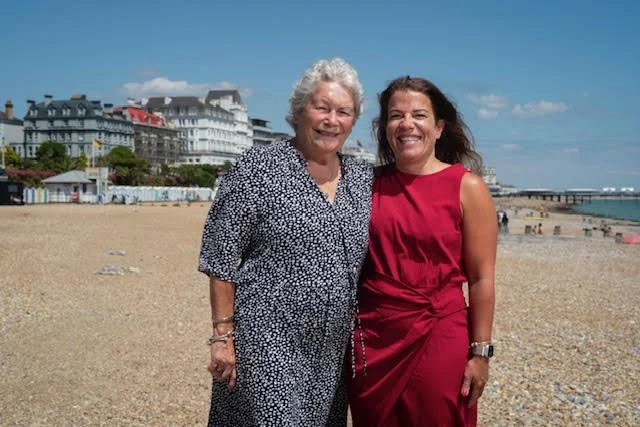
“I was at home in the evening, watching television, when the phone rang. The caller said he was from my bank. He used the bank’s name, knew my full name, and had details about my account. There was nothing about the call that felt unusual or suspicious at the time.
He told me there had been suspicious activity and that action was needed to protect my account. He spoke calmly and professionally. He didn’t rush me or threaten me. He explained what he said he needed me to do and why. I believed I was speaking to my bank and that I was helping to stop fraud happening on my account and protect my money.
After the call ended, I later found out that £600 had been spent on royal mint coins. A £6,000 loan had also been taken out in my name. This all happened within around an hour of the call. I had not authorised those transactions.
When I contacted the bank, the transactions were stopped, and the loan process was halted. However, the experience of dealing with the bank was difficult. I was asked the same questions multiple times and had to repeatedly explain what had happened. By the end of the call, I felt more ashamed and blamed by the bank than I did by the criminal who had scammed me. Although the money was protected, the experience of that conversation stayed with me and had a lasting effect on me. As a result of the experience, I changed banks.
What makes this even harder is that my daughter, Louise Baxter MBE, is the Head of the National Trading Standards Scams Team. She works every day to prevent scams and protect people from harm. If a scam can happen to me, someone who speaks to her daughter daily, then it can happen to anyone. Scammers do not target stupidity or carelessness. They exploit trust, fear, and normal human responses.
This experience showed me that the harm caused by scams does not end with stopping the money. How people are treated afterwards matters just as much.
I am sharing what happened because it shows how convincing these scams can be. The caller did not behave in a way people are often warned about. I was not reckless. I acted on information that appeared credible at the time. This experience has changed how I approach banking and communication.”